
Sow Exotic
Achacha, Achachairú (Garcinia humilis)
Achacha, Achachairú (Garcinia humilis)
Couldn't load pickup availability
Rare Rainforest Fruit with Mangosteen Flavor
If you are a gardener known to dance to the beat of your own drum, cultivating the "A-cha-cha" could be your next great pick!
Gardeners of all levels can’t resist the lure of the Achacha tree. Garcinia humilis is native to South American countries like Bolivia, Peru, and Brazil, where locals know it as Achachairú. The Achacha is native to medium-altitude rain forests, so it grows well in shady, humid climates in soil with good porosity. The Achacha tree can be slow growing, but eventually fruits with an abundant rhythm. Achacha trees grow to about 10–15 ft. tall, developing a handsome evergreen canopy that makes them as ornamental as they are productive.
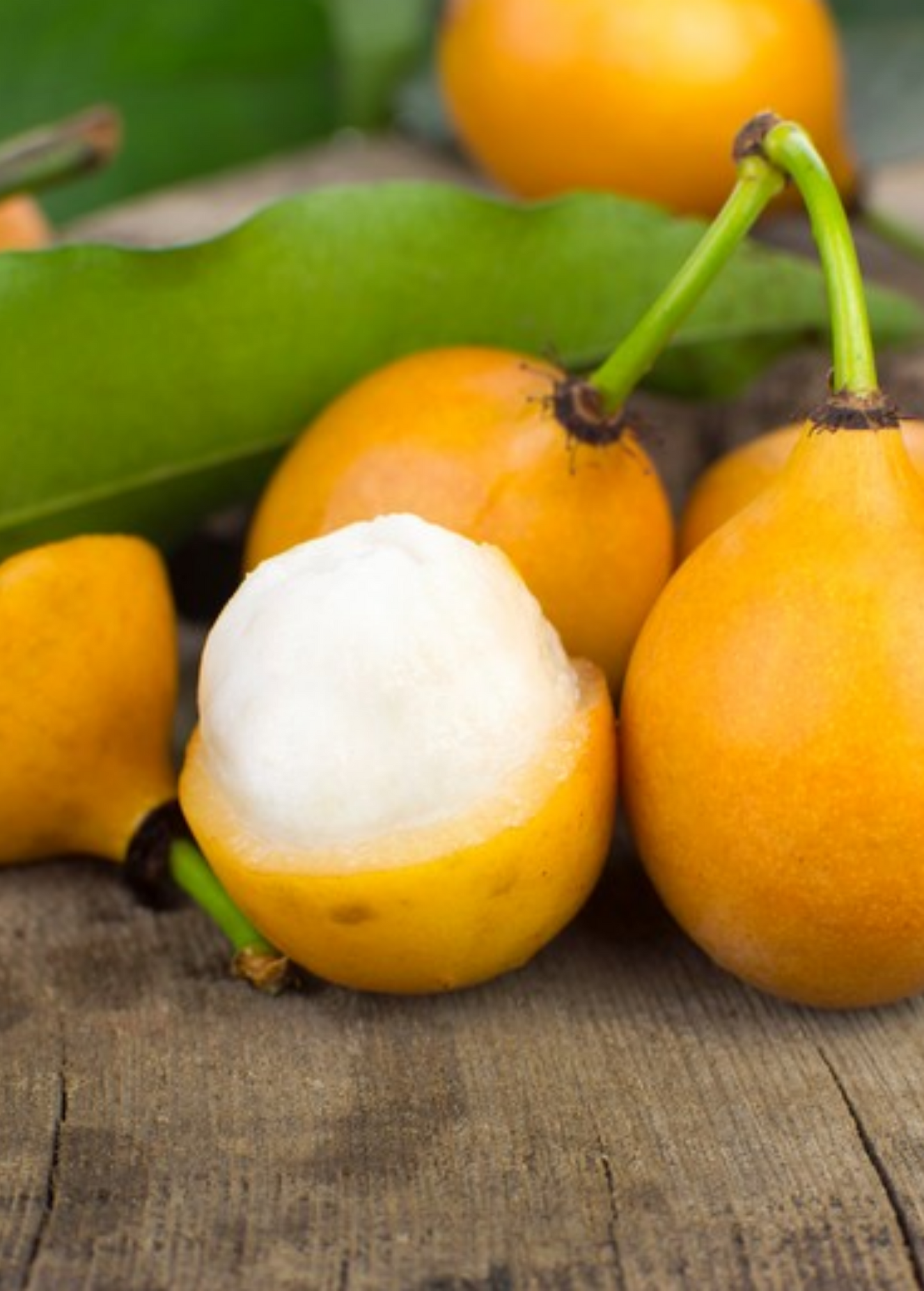
Its bright orange, egg-shaped fruits are said to be most similar to Mangosteen in flavor, but with about half of the sugar content. Beneath the colorful rind is juicy, translucent flesh with a refreshing balance of sweetness and tang. Achacha fruits grow enclosed in a rind, which keep for 4 to 6 weeks at room temperature once harvested. The rinds, rich in antioxidants, can also be infused and chilled into a sweet, tangy drink. With its exceptional flavor, attractive growth habit, and growing reputation among rare fruit collectors, Achacha is quickly earning a place on the world’s fruit platter.
Cultural & Culinary Significance
The cultivation of Achachairú began with indigenous communities in the tropical lowlands of the Amazon Basin, where the fruit has been enjoyed for generations and traditionally used as a hunger suppressant and in skin healing. Particularly cherished in Bolivia and throughout parts of the Amazon region, Achachairú remains closely tied to local food traditions and cultural heritage. The name was adapted from Achachairu to simply Achacha for marketing purposes in Australia, where it was recently approved for commercial growth and is helping introduce this remarkable fruit to growers around the world. Today, Achacha serves as a living connection to the biodiversity, agricultural knowledge, and food traditions of the Amazon Basin.
Why Grow Achacha?
• Produces delicious sweet-tart fruits often compared to Mangosteen with about half the sugar content
• Bright orange fruits and glossy evergreen foliage make an attractive landscape specimen
• Fruits store for 4–6 weeks at room temperature after harvest
• Antioxidant-rich rinds can be infused into a refreshing tropical beverage
• Considered a promising species for rainforest restoration efforts in areas affected by deforestation and burning
Growing Tips
(Also known as: Achacha, Achachairú, Achachairu, Bolivian Mangosteen, Garcinia humilis)
Achacha grows best in warm, humid climates and is naturally adapted to medium-altitude rain forests. Young trees appreciate partial shade, especially during establishment, while mature specimens can tolerate increased sun exposure in tropical and subtropical environments.
Plant in rich, moist soil with excellent drainage and good porosity. Consistent moisture encourages healthy growth and fruit production, though soils should never remain waterlogged. Mulching with organic matter helps retain moisture and recreate the conditions of the rainforest floor.
Apply a balanced fertilizer during the growing season to support steady growth and fruit development. Growth is typically slow in the early years but becomes increasingly rewarding as trees mature and fruit abundantly. Pruning requirements are minimal and generally limited to shaping and removing damaged branches.
Achacha performs well in containers while young and can be grown in protected environments outside tropical regions. In frost-free climates, planting in the ground allows the tree to develop its full potential. High humidity is preferred, and the species generally experiences few major pest or disease problems.
Our X-Large Achacha trees offer the shortest wait to harvest, with the potential to fruit within 3–4 years of planting. Large seed-grown plants are capable of producing within approximately 5 years, while Medium plants are known to fruit prolifically within about 6 years.
Introduce your content
Answer your customers' common questions
List a frequently asked question
Then provide an answer that will help your customer make an informed purchase.