Sow Exotic
Gotu Kola (Centella asiatica)
Couldn't load pickup availability
Adaptogenic Herb with Creeping Growth
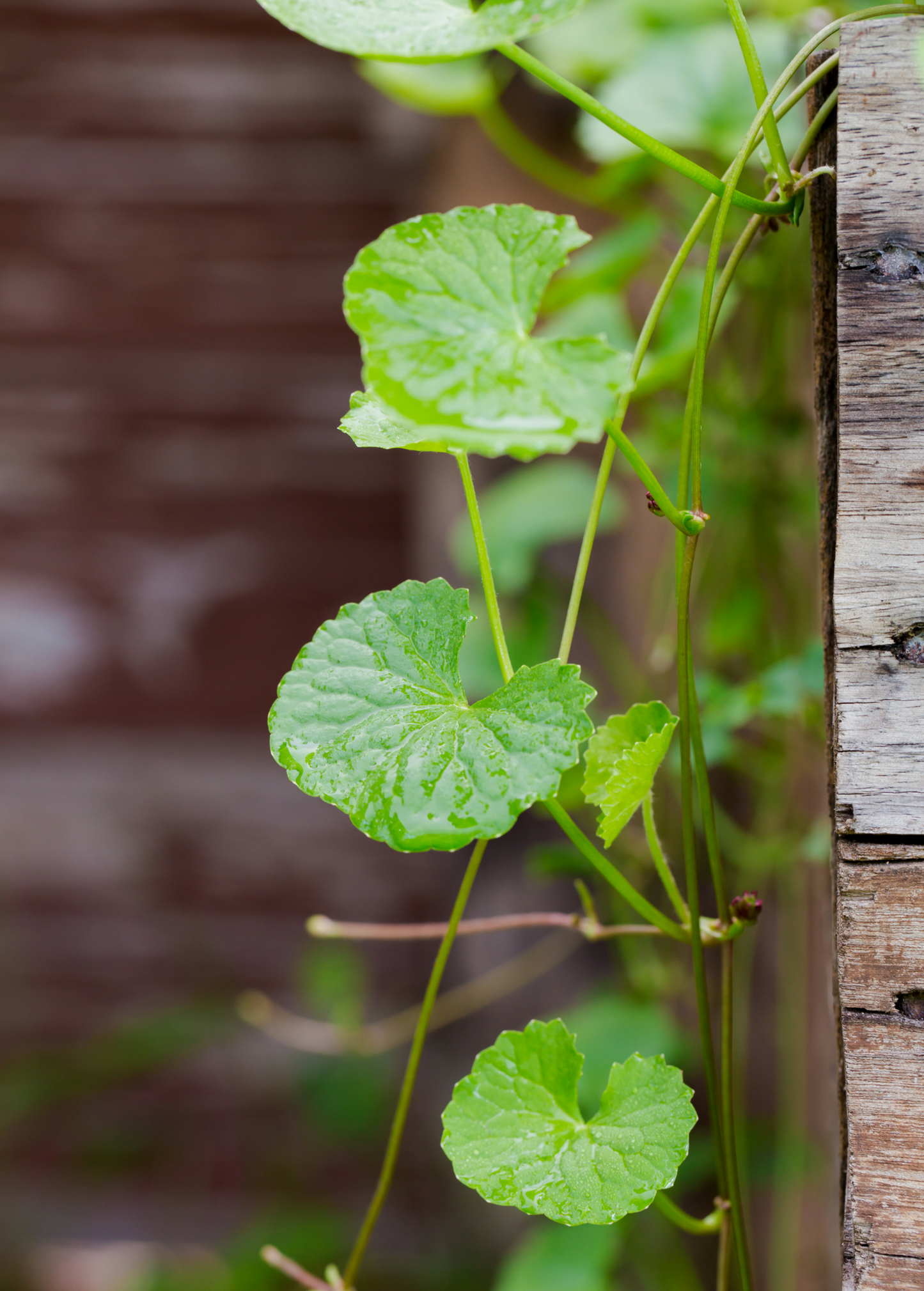
Gotu Kola is a creeping, mounding perennial herb that grows beautifully as a groundcover or as a hanging plant. Despite its great hardiness to Zone 7, Gotu Kola is native to warm, wetland areas of China, Japan, Indonesia, Sri Lanka, and South Africa. It loves growing in moist, fertile soil and is suitable for water gardens. With its low, spreading growth habit, it makes a lovely addition to lush garden spaces or containers where it can trail and mound.
Gotu Kola is considered to be an Adaptogenic and Nootropic herb. Adaptogens are a unique group of herbs commonly used to improve the health of your adrenal system, the system that's in charge of managing your body's hormonal response to stress. Gotu Kola contains many active biological compounds and is popular in herbal medicine and dietary supplements. Extracts of Gotu Kola are purportedly used to aid in wound healing, lower high blood pressure, and improve cognitive function (Memorial Sloan Kettering Cancer Center). Other common names are Indian Pennywort or Spadeleaf.
Cultural & Culinary Significance
Gotu Kola has a long history of use in traditional herbal medicine across Asia and is especially valued as a wellness herb. Its reputation as an adaptogenic and nootropic plant has made it popular in modern herbal preparations and dietary supplements. The fresh herb is also used traditionally as a leafy ingredient in various foods and beverages throughout its native range.
Why Grow Gotu Kola?
- Easy-to-grow perennial groundcover with edible leaves
- Thrives in moist, fertile soil and wet garden spaces
- Beautiful creeping habit works well in hanging containers
- Popular adaptogenic and nootropic herb
- Hardy to Zone 7 and adaptable to a range of climates
Growing Tips
(Also known as: Gotu Kola, Indian Pennywort, Spadeleaf, Centella asiatica)
Plant Gotu Kola in moist, fertile soil in full sun to part shade. Keep the soil consistently moist, as this wetland-loving herb does not appreciate drying out. It can be grown directly in garden beds, as a groundcover, in containers, hanging baskets, or water gardens.
Â

Introduce your content
Answer your customers' common questions
List a frequently asked question
Then provide an answer that will help your customer make an informed purchase.